
Aktywne wątki (bez zabaw)
Wyświetlanie tematy w Nerwica lękowa, Forum NERWICA.com, Off-topic, Witam, Oferty, Leki - Indeks leków, Leki, Nerwica natręctw, Miasta, Kroki do wolności, PTSD - Zespół Stresu Pourazowego, Kosz, Depresja i CHAD, Psychologia, Medycyna niekonwencjonalna, Pozostałe zaburzenia, Zaburzenia odżywiania, Problemy w związkach i w rodzinie, Uzależnienia, Odpowiedzi i pytania do psychologa, Zaburzenia osobowości, Twórczość, Literatura, Fotografia/Malarstwo/Rysunek/Rzeźba, Muzyka/Film, Inne, DDA/DDD, Schizofrenia, Socjologia, Zloty, Psychoterapia, Ważne tematy, Czytelnia, Dla Młodzieży i dla Rodziców, Strefa Rodzica, Strefa Młodzieży, Seksuologia, Pandemia, Psychiatria , Poradnie i szpitale psychiatryczne, Sprawy urzędowe, Leki przeciwdepresyjne, Leki przeciwpsychotyczne, Stabilizatory nastroju, Leki przeciwlękowe, Leki nasenne, Leki nootropowe, Stymulanty, Pozostałe, Regulamin Forum i Pod Lupą: Lęk i Zdrowie Psychiczne.
Kanał aktualizowany automatycznie
- Z ostatniej godziny
-

* Mój dziki świat *
You know nothing, Jon Snow odpowiedział(a) na You know nothing, Jon Snow temat w Kroki do wolności
-

ESCITALOPRAM(Aciprex, ApoExcitaxin ORO, Betesda, Depralin, Depralin ODT, Elicea, Elicea Q-Tab, Escipram, Escitalopram Actavis/ Aurovitas/ Bluefish/ Genoptim, Escitil, Lexapro, Mozarin, Mozarin Swift, Nexpram, Oroes, Pralex, Pramatis, Symescital)
nerwicowiec1 odpowiedział(a) na Martka temat w Leki przeciwdepresyjne
cześć bierze ktoś escitalopram razem z melatoniną? melatonina nie bedzie zaburzac dzialania esci? -
 co z twoją bazuuuko, nie chce pisać, bo jeden zdrowy to wpierdziel, wszystkim, którzy nawet nie pomogli nam, ale im się tak wydaje. ze mną nie można rozmawiać, w szkole nie można było mnie uczyć każdy nauczyciel któy mnie coś tam uczył do konkursów i olimpiad, był zwalniany, a że to się wydało, to potem ich wrogowie mieli przekichane pozdrawiam, mateusz.
 -
Ale możesz znaleźć inny powód do nadziei, taki chyba łatwo znajdziesz. Jak pijesz do tego że nie piszemy pełną nazwą to nie piszemy ale wiadomo o co chodzi ja pisze bardzo chaotycznie i niespojnie teraz nie jestem w stanie. Ale uważam że kto wie to wie, kto nie wie może spytać, wiara nie jest na pokaz
- Dzisiaj
-
Są tu
-
Witam Czy poniższe objawy moga byc zwiazane z jakims rodzajem nerwicy? Otóż miewam ... 1. Zimne stopy i dłonie albo tylko stopy to jest zmienne ale jest to takie uczucie jakbym je trzymał w śniegu 2. Podobnie bywa z okolicą barków i gory ciała choc rzadziej też czuje jakbym w sniegu lezal choc czasem jest to jakby palenie pod skórą 3. Dreszcze 4. Pieczenie i lekki ucisk na klacie 5. Zaparcia i wogole mam wrazenie jakby te jelita wolniej pracowaly i byly spięte 6. Wybudzanie w srodku nocy i trudnosc w ponownym zasnieciu 7. Słabszy apetyt ale to przypuszczam ze przez zaparcia bo koedy sie wyproznie to apetyt jest lepszy No i chyba to tyle Bywa tak że jak jestem pod wplywem alkoholu lub zolpidemu to nie czuje tych objawow ale byc moze jestem wtedy znieczulony. Bywało że wzialem pol tabletki zolpidemu albo kilka łykow piwa i szedlem sie wyproznic. Tak jakby te jelita sie rozluznily ale sam juz nwm. Jesli ktos opisywal tutaj podobne objawy to sory ale za duzo stron a nie mam czasu czytać tyle. Prosze o odpowiedz i pozdrawiam Dodam tylko ze alprazolam nie daje redukcji tych objawow i ze z ich wystepowaniem jest też roznie ale najczesciej te uczucie zimna sie pojawia i te problemy jelitowe i nocne wybudzanie. Samo zaśniecie wieczorem przychodzi szybko ale po okolo 3/4 godzinach snu jest wybudzenie i dopiero usypiam nad ranem. Chodze spac 21:30/ 22 i budze sie okolo 01/02:00 i zazwyczaj usypiam okolo 4 rano dopiero. Myslalem ze moze nadmiar adrenaliny ale serce mi bije spokojnie i nie czuje psychicznego niepokoju czy lęku. Bede wdzieczny za jakies wskazowki.
-
Wszystkiego dobrego bejb 🪽
-
Dzięki i wzajemnie Wesołych świąt dla Wszystkich
-
 @Catriona @Verinia okej już rozumiem
 -
Muszę, jestem dla niej najbliższą osobą i kocham ją. Z tatą też mam kontakt,ale to tylko od święta. Mam dziewczynę i ona mnie naciska żebym się wyprowadził,ale nie mogę zostawić mamy w takim stanie,bo znam ją i kiedy ma gorszy dzień potrzebuje wsparcia. To nie tak,że rozpacza tylko przez wygląd i te włosy,już wielu lat cierpi na depresję,ale ten stary wygląd ją jeszcze dobił psychicznie
-
-
Zastanawiam się, czy prowadzić dalej bloga. Chyba trochę mi się już znudziło, po prostu już mi się nie chce. Wigilia minęła bardzo miło. Byliśmy tylko u teściów, bo w mojej rodzinie babcia jest chora i nie chce zarazić małej. Na początku Wigilii nie mogliśmy uspokoić córeczki, bo rośnie jej drugi ząbek i bardzo cierpi. Daliśmy leki i w końcu się uspokoiła.
-

-
Ciekawy artykuł, niestety za paywallem. Dosyć trudny angielski. https://www.newyorker.com/culture/cultural-comment/the-problem-of-marital-loneliness Załączam treść, może kogoś poruszy (miniserial, o którym mowa (oryginał Bergmana) to moim zdaniem arcydzieło, każdemu polecam): My husband is really into geometry, and once he’s mastered a complicated proof he likes to go through it with me in exacting detail. If he sees my eyes wandering, he commands me to pay attention. In general, the kinds of conversations he enjoys are the ones in which he expounds his latest cognitive treasure, be it scientific, historical, or some fine point about how to interpret an obscure ancient text. I, on the other hand, gravitate toward paradoxes, and enjoy conversations in which I am the one who sets the terms of the problem and I am the one who gets to push all the simplest answers aside. Recently, I tried to spark a debate: Why isn’t it permissible to walk up to strangers and ask them philosophical questions? As I probed for the deeper meaning behind this prohibition, my husband was frustrated by my ignoring the obvious: “Literally no one but you wants to do that!” Occasionally, the point he wants to explicate magically lines up with the one I want resolved, but much of the time there is a decidedly unmagical lack of complementarity between his love of clarity and my love of confusion. Of course, we compromise: by taking turns, and by putting up with the fact that one of us is, to some degree, dragging the other along for the ride. But we can also tell that we are compromising, and that makes each of us feel sad, and somewhat alone. Conversation is only one example of the various arenas in which we routinely fail to connect; broadly, he’s considerate and unromantic, whereas I’m romantic and inconsiderate. Marriage is hard, even when no crises loom, and even when things basically work. What makes it hard are not only the various problems that arise but the lingering absence that is felt most strongly when they don’t. The very closeness of marriage makes every bit of distance palpable. Something is wrong, all the time. Ingmar Bergman’s “Scenes from a Marriage,” from 1973, is the greatest artistic exploration of the vicissitudes of marital loneliness. It consists of six roughly hour-long episodes, in which a married couple—Johan and Marianne—try and mostly fail to connect to each other. Marianne is a lawyer, and early in the series we see her counselling an older woman who is seeking a divorce after more than twenty years of marriage. The client admits that her husband is a good man and a good father: “We’ve never quarrelled.” Neither has been unfaithful toward the other. “Won’t you be lonely?” Marianne asks. “I guess,” the woman answers. “But it’s even lonelier living in a loveless marriage.” The client goes on to describe the strange sensory effects of her loneliness. “I have a mental picture of myself that doesn’t correspond to reality,” she says. “My senses—sight, hearing, touch—are starting to fail me. This table, for instance: I can see it and touch it, but the sensation is deadened and dry. . . . It’s the same with everything. Music, scents, faces, voices—everything seems puny, gray, and undignified.” Marianne listens in horror: the woman represents the ghost of her own future. It is a profound insight on Bergman’s part to notice that loneliness involves a detachment not only from other people but from reality in general. As a child, I had trouble forming friendships, and turned instead to fantasy. I could imagine myself into the books I read and, by embellishing the characters, supply myself with precisely the sorts of friends that I’d always longed for. If you have engaged in this kind of fantasizing, you know that the thrill of creativity eventually collapses into a feeling of emptiness. This is the moment when loneliness hits. You’ve prepared yourself an elaborate psychological meal, and you realize, belatedly, that it can never sate your real hunger. One is often loneliest in the presence of others because their indifference throws the futility of one’s efforts at self-sustenance into relief. (If you spend a party reading in a corner, you come to see, no matter how good the book, that you are not fooling anyone.) In a marriage, this loneliness manifests in the various ways that couples give each other space, demarcating spheres in which each person is allowed to operate independently. If I allow my husband to hold forth and he allows me to go paradox-mongering—if we humor each other—the very frictionlessness of the ensuing thoughts infuses them with unreality. “My husband and I cancel each other out,” Marianne’s client says. She means, I think, that we sap the reality from one another’s lives by way of our lack of interest, our noninvolvement, our failure to provide the constraining traction that is needed for even the most basic sensory experiences to feel real. Bergman uses the brief scene with Marianne’s client as a backdrop to the very different trajectory of Johan and Marianne’s marriage. Instead of reaching mutual accommodation, they become increasingly—and violently—intolerant of their failures to connect. In the opening episode, the couple is being interviewed for a magazine story that presents them as the picture of bourgeois marital contentment. As the series develops, they bicker, learn that they have cheated on each other, come to blows, divorce, and eventually, having both remarried, cheat again, with each other. The closing of the final episode, titled “In the Middle of the Night in a Dark House Somewhere in the World,” finds them huddled together in a remote cottage for a lovers’ weekend. Marianne has woken from a nightmare that evokes existential fears; Johan quiets her sobs, and the series ends. Bergman wrote, of this ending, that the two are “now citizens of the world of reality in quite a different way from before.” Having come to understand that they really do have something to offer each other, they are also forced to see how much less that is than they had initially expected. They have traded the illusion of a happy marriage for a genuine connection that is painfully limited in scope. Marianne’s nightmare reflects this hard-won knowledge: “We were crossing a dangerous road. I wanted you and the girls to hold on to me. But my hands were missing. All I had left were stumps. I’m sliding around in soft sand. I can’t get ahold of you. You’re all up there on the road and I can’t reach you.” The small real comfort that Johan is able to provide her doesn’t negate the insight: “I can’t reach you.” Marriages are enclosed by an opaque shell; we don’t tend to talk, publicly, about how they reverberate with the buzz of disconnection. “Scenes from a Marriage” cracked open this shell, exposing—and here I borrow Bergman’s own phrasing—how the married couple responds to each “dimly sensed rift” with “makeshift solutions and well-meant platitudes.” Viewed by roughly half of Sweden, the series was reputed to be responsible for a rise in the country’s divorce rates. Evidently, not all of Bergman’s viewers were prepared to be shown what lurks behind the marital façade. Hagai Levi’s remake of “Scenes from a Marriage,” now airing on HBO, is heavy with the air of homage. It’s often deeply faithful to the original, down to details such as the dream with stump arms. But Levi updates and Americanizes the story: Johan becomes Jonathan, a Jewish philosophy professor played by Oscar Isaac; Marianne becomes Mira, a tech executive played by Jessica Chastain; and the gender dynamics are reversed so pointedly that one can say Mira is Johan and Jonathan is Marianne. These and other modernizing touches are the superficial differences between the two series. The deep difference concerns their treatments of the problem of loneliness. Levi’s series totals five episodes rather than six. The missing episode—Bergman’s second—is the one with the encounter between Marianne and her client. It also includes scenes in which Johan and Marianne paper over the communicative gaps between them, culminating in a discussion—and display—of the couple’s sexual disconnection. Levi’s cutting of this episode corresponds to a more general softening of Bergman’s conflicts. It is a striking feature of Johan and Marianne’s fights that the one being attacked often fails to notice just how harshly they have been spoken to; even in moments of intense emotion, they talk past each other. Jonathan and Mira, by contrast, are immediately sensitive to the ways in which they hurt each other. Although Levi includes some discussion of sexual dysfunction, he cuts the scene displaying it, and, at a crucial moment in the plot, inserts a tender sex scene absent from the original. If Jonathan and Mira’s relationship seems better than Johan and Marianne’s, it must also be acknowledged that Levi sets his couple an easier problem. Bergman suggested that marriage was meant to address a metaphysical need: our connection to reality. Levi, by contrast, sees marriage as a way of navigating one’s place in the economic and social order. Child rearing features much more saliently in his characters’ lives, as does the management of a shared household. Whereas Bergman chose a range of locations for his scenes, Levi grounds every one of his in the home, which becomes a focus of both visual and intellectual attention throughout the series. The shift is telling. If marriage is composed of a set of tasks or projects—a career, parenting, keeping a home—its failures can be displayed as extrinsic to the question of how spouses connect. Levi’s diagnosis is something like: these people have different priorities. This means that their lives can succeed to a greater extent than their marriage does. What was, in Bergman’s hands, a horrifying picture of the limits of human contact becomes, in Levi’s, a set of increasingly independent journeys of personal growth. By the end of the remake, Jonathan, Mira, and their daughter are flourishing, and even part of their house has been renovated. In Levi’s vision, the problem of loneliness can be addressed by adjusting the pragmatics of mutual dependence; at first, these changes are painful, but eventually everyone is better off—which is to say, better at achieving their goals. For Bergman, connecting is the goal, and it’s not clear that we can do it. It is when Johan and Marianne realize this that they become “citizens of reality,” a loss of innocence from which they cannot recover. Can any marriage survive an honest reckoning with itself? Can you get close enough to any person for life to feel real? These are Bergman’s questions; Levi doesn’t ask them.
-
-
.thumb.jpg.b23b761541b85c6162d253b84b1d3575.jpg)
Jaki jest wg Ciebie najlepszy neuroleptyk? 🌀🦋
Verinia odpowiedział(a) na Verinia temat w Leki przeciwpsychotyczne
A bo wymieniłam wszystkie leki, a tu temat o neuro xD SOrry, No to z neuroleptyków kwetiapina głównie bo flupentiksol w dawce nie przeciwpsychotycznej tylko na dodanie sił. -
Dzięki na pewno ogarnę.
-
no to trzeba lubić i ćwiczyć. Dla mnie to frajda, więc się nauczyłam
-
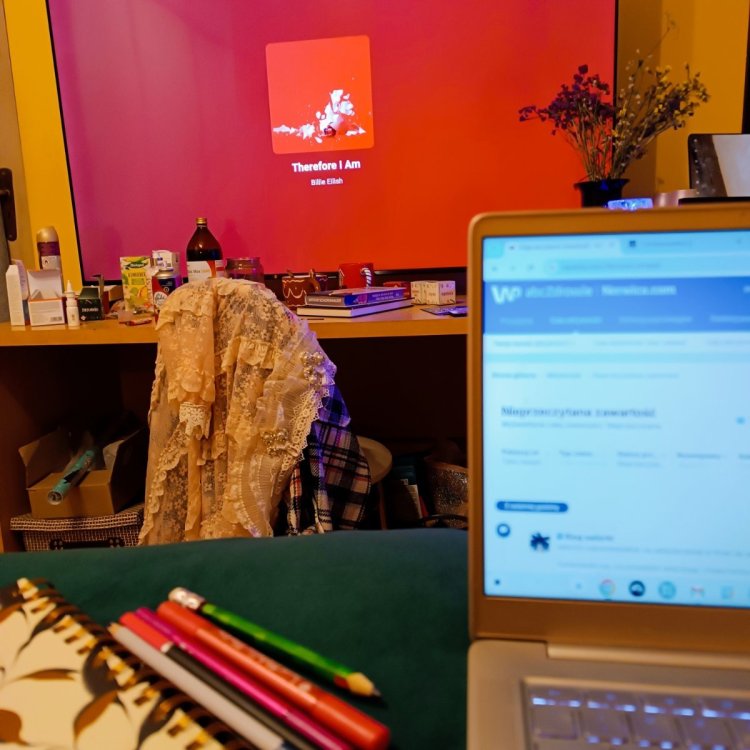
Leżę, słucham muzyczki z tv na yt, i piszę tutaj. Może potem rysowanko. jakiś lekki makijaż może strzelę.
-
@Catriona Moim zdaniem dobrze mówi. Jeśli nie chcesz długo siedzieć z rodziną, to nie siedź. Po prostu powiedz, że już czas na Ciebie. Ja wiele razy wychodziłam najwcześniej, gdy nie chciało mi się siedzieć z wszystkimi. Jeżdżę często na święta (nie zawsze), bo są tam osoby z którymi naprawdę chcę się widzieć. A są takie z którymi po prostu nie rozmawiam. W tym roku z połową stołu zamieniłam parę słów, więcej z dziadkiem i młodszymi kuzynkami. Trochę z dwoma ciociami, bo są naprawdę wspaniałe. Czytałam też fragment Pisma Świętego, bo mam dobrą dykcję. Także u mnie to nie z nieśmiałości wynika chęć oddzielenia, tylko różnica charakterów. Za mną też nie każdy przepada. To normalne. Coraz mniej mnie łączy z kuzynką parę lat młodszą ode mnie. Wczoraj zamieniłyśmy może trzy zdania, a kiedyś potrafiłyśmy gadać godzinami. Ale tak to jest w życiu. MI przykro na pewno nie jest z tego powodu. Nawet może i lepiej Trochę offtop zrobiłam w tym poście, ale chciałam Wam wszystkim pokazać jak to bywa w rodzinie. NIKT nie ma prawa Cię zmuszać do siedzenie z rodziną. Czasem mnie wgl nie było na świętach, gdy np. źle się czułam, albo chciałam pobyć sama. Pytali się o mnie, ale potem zaczęli już swoje rozmowy. Wiem, że nie jestem najlepszym przykladem, bo mieszkając czasowo z rodzicami teraz, chodzę do kościoła. Ale to też w sumie mój wybór tak naprawdę, bo mogłabym powiedzieć, że nie wierzę, ale nie chcę tworzyć spiętej atmosfery w domu, bo jeszcze razem pracujemy. To jest inna mentalność, u mnie wiara jest bardzo ważna. ALe jeśli gadamy o Bogu w domu, to ja jasno przedstawiam swój punkt widzenia. Po prostu z szacunku i spokoju własnego idę na tę niecałą godzinę do kościoła, ale też nie zawsze. Trochę to dziecinnne, no ale mieszkam z nimi na tę chwilę. Za jakiś czas się przenoszę, więc już będę bardziej niezależna.
-
Hej miło Cię gościć
- Wczoraj
-
-
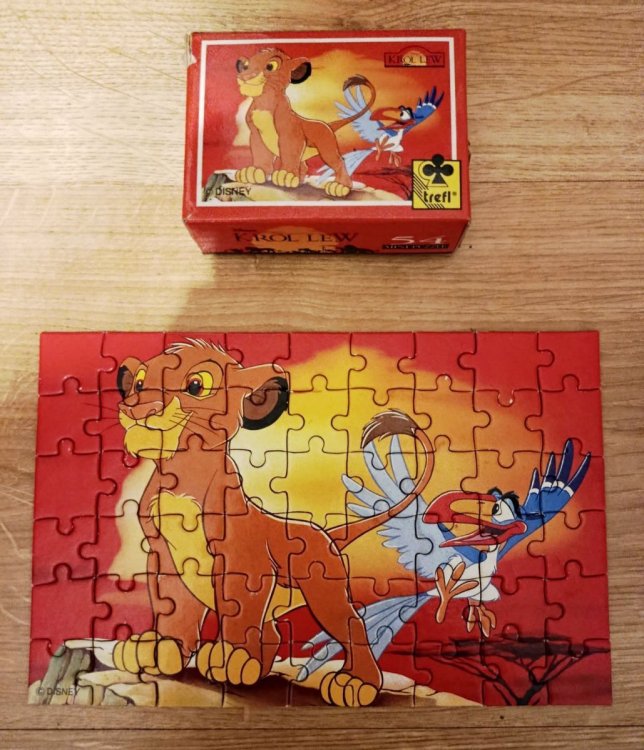
Właśnie zamówiłam sobie tę oto książkę. Mam inne książki tej autorki i pięknie prezentują się na półce.

-
Napisałem prv odpisz jak będziesz mógł pozdro
-

AMISULPRYD (Amipryd, Amisan, ApoSuprid, Solian, Symamis)
AnnoDomino34 odpowiedział(a) na Moniunia27 temat w Leki przeciwpsychotyczne
czy ktos bierze doraźnie 50mg lub 100mg? czytałem ty watki, że ktoś latami bierze tak i lek dalej działa, nie dopuszcza do tolerki robiac przerwy np co 2gi dzień


.thumb.jpg.b23b761541b85c6162d253b84b1d3575.jpg)


.thumb.jpg.e4dc63f449dea48191d714b39a520f61.jpg)


-
Najpopularniejsze
-
-
Najczęściej czytane
-

.thumb.jpg.aba633d78989254ad222f1981a4c2fbf.jpg)


